

What to Expect in a Session at Bodywork Remedies
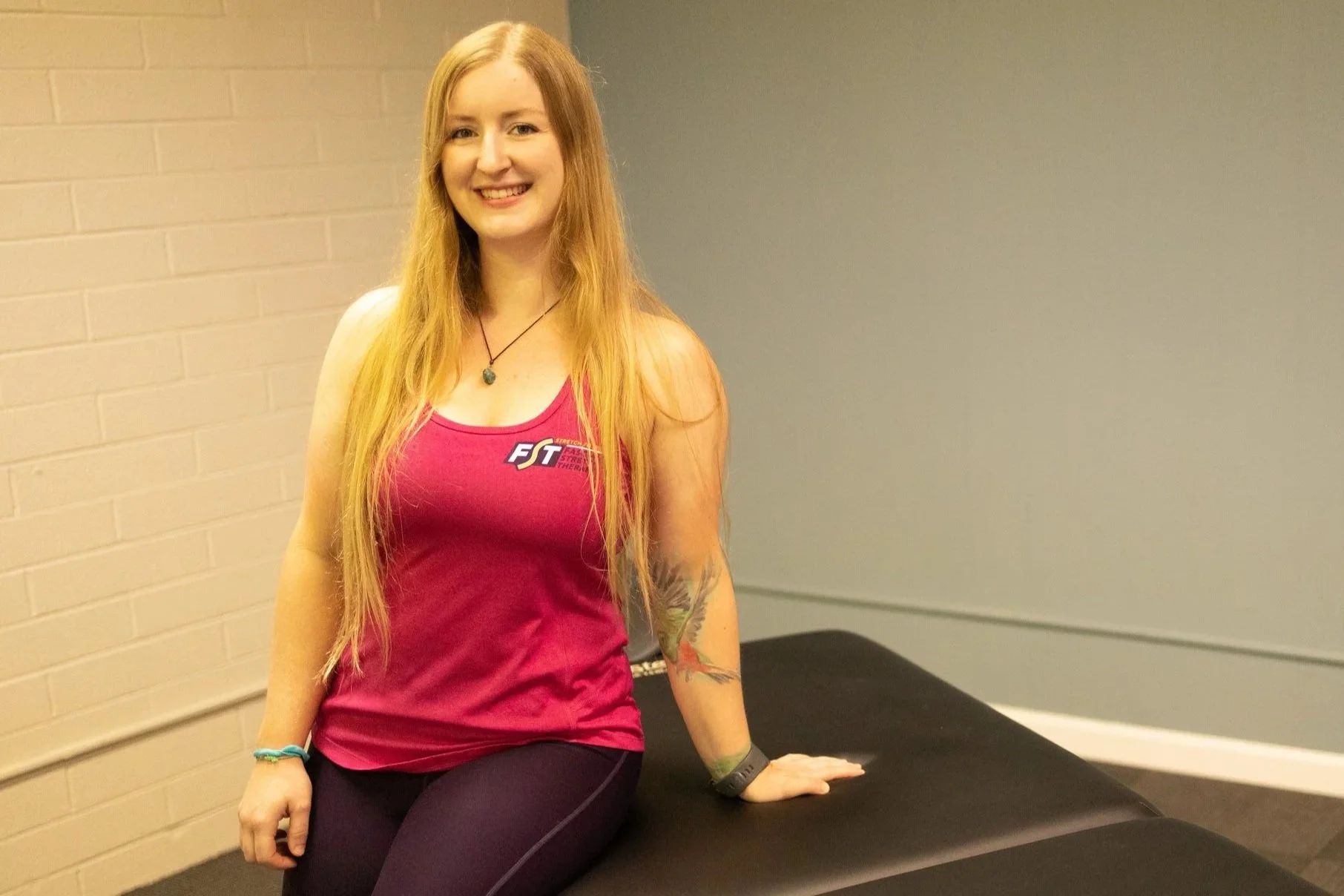
Tiffani Canevari sitting on a treatment table at Bodywork Remedies in Santa Rosa, CA before a fascia stretch therapy and bodywork session.
If you’ve been dealing with pain, tightness, or movement restrictions that haven’t fully improved—and you’re thinking about trying something different—you might be wondering:
“What actually happens in a session?”
And more importantly:
“Is this going to feel like what I’ve already tried… or something different?”
It’s Not a Routine Session
One of the biggest differences is that sessions at Bodywork Remedies are not one-size-fits-all.
There’s no set routine.
Every session is based on:
what you’re feeling
how your body is moving that day
and what’s actually contributing to the issue
It Starts With Understanding Your Body
At the beginning of your session, we’ll talk through:
what you’re experiencing
what you’ve already tried
and what has (or hasn’t) worked
From there, I look at how your body is functioning—not just where it hurts.
That may include:
how you move
how certain areas feel
and where things seem restricted
Because the goal isn’t just to chase symptoms…
It’s to understand what’s driving them.
What the Work Itself Feels Like
Sessions typically include a combination of:
assisted stretching
targeted bodywork
and techniques that help restore how your tissues move
Some areas may feel:
very specific
more noticeable than expected
or even a little intense at times
You might experience:
a sharp or pinpoint sensation
warmth
or a strong pulling feeling
This is often a sign that you’re working in areas that haven’t been addressed before.
It’s Not About Pressure
A lot of people expect bodywork to be about how deep the pressure is.
But this approach isn’t about pushing harder.
It’s about being:
precise
intentional
and responsive to your body
Some of the most effective work happens without heavy pressure—especially when working with the more superficial layers of the body.
Communication Matters
During your session, I’ll check in with you about what you’re feeling.
The goal is not to push through pain.
It’s to find that range where:
your body can respond
changes can happen
and the work stays productive
Everyone’s tolerance is different, and sessions are adjusted accordingly.
What You Might Notice After
After a session, people often notice:
less tension in specific areas
improved mobility
or movement that feels smoother and easier
Sometimes the changes are immediate.
Other times, they continue to improve over the next day or two as your body adapts.
This Isn’t Just About Temporary Relief
The goal isn’t just to help you feel better for a day or two.
It’s to:
address what’s actually contributing to the issue
improve how your body moves
and create changes that last
Who This Is For
This approach tends to work especially well for people who:
feel tight no matter how much they stretch
have pain that keeps coming back
have tried multiple approaches without lasting results
want to understand what’s actually going on in their body
Read more about some of the conditions I help with.
Final Thought
Every body is different.
But when you start to address how everything is working together—not just isolated parts—you can create changes that feel very different from what you’ve experienced before.
If you’re ready to try something different or want to see if this approach is a good fit for you, you can book a session or reach out with any questions.
