

Why Your Low Back Pain Keeps Coming Back (Even If You Treat Your Back)
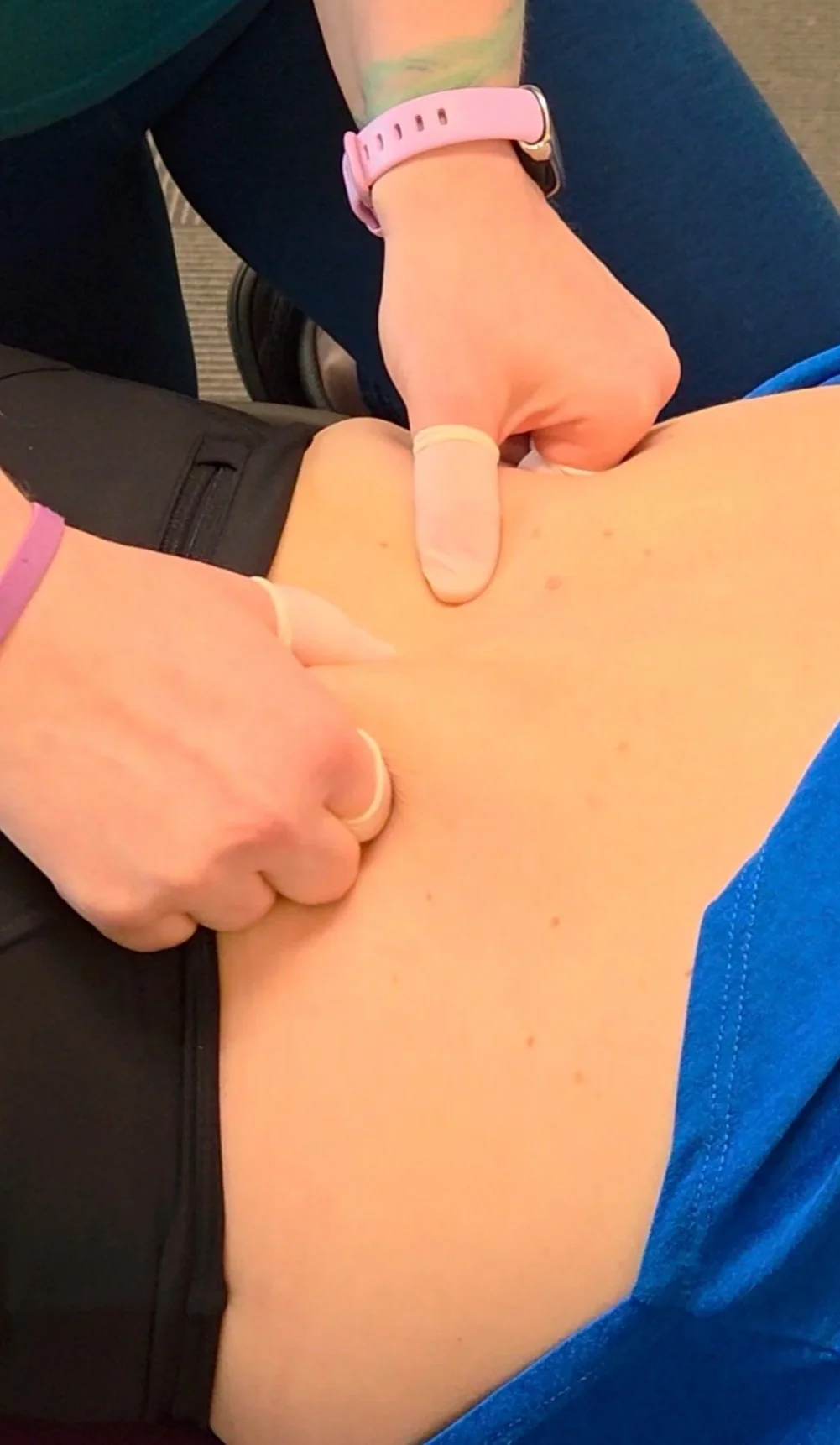
Targeted bodywork and fascial treatment for recurring low back pain at Bodywork Remedies in Santa Rosa, California. Treatment focuses on restoring movement, reducing compensation patterns, and improving mobility through hands-on bodywork and fascia-focused techniques.
If you’ve been dealing with low back pain that keeps coming back, no matter how much you stretch, strengthen, or get treatment, you’re not alone.
A lot of people focus directly on the area that hurts.
Which makes sense.
But what if the problem isn’t actually coming from your low back?
The Missing Link: Your Hips
Your low back and your hips are closely connected.
They share:
movement
stability
and load during everyday activities
So when your hips aren’t moving well…
Your low back often has to compensate.
What Compensation Actually Feels Like
When your hips lose mobility, your body still needs to:
bend
rotate
and move through daily life
So your low back starts to pick up the slack.
Over time, that can feel like:
stiffness
tightness
recurring pain
or something that improves temporarily, then comes right back
That’s not because your back is the problem…
It’s because it’s doing more than it should.
Why Treating Your Back Isn’t Fixing It
Most treatments for low back pain focus on the back itself:
stretching
strengthening
massage
adjustments
And those can absolutely help.
But if your hips (and the tissues around them) aren’t moving well, your back will keep getting pulled back into the same pattern.
That’s why relief can feel temporary.
The Part Most People Miss
It’s not just about hip flexibility.
It’s also about how the layers of tissue around your hips and low back are functioning.
Your body is made up of multiple layers:
skin
superficial fascia
deeper fascia
muscles
All of these layers need to:
glide
adapt
and move together
When they don’t…
Your body starts to feel restricted, even if you’re doing “all the right things.”
When Things Stop Moving Well
Over time, these layers can lose their ability to move smoothly because of:
sitting
repetitive movement
past injuries
or chronic tension
Instead of gliding, they can start to feel:
stuck
dense
restricted
And when that happens, it can affect how both your hips and your low back move.
A Different Way to Look at Low Back Pain
Instead of only focusing on the area that hurts, I look at how the body is working as a whole.
That includes:
how your hips are moving
how your low back is compensating
and how the surrounding tissues are functioning
Using a combination of assisted stretching, targeted bodywork, and techniques that work with the more superficial layers of the body, the goal is to:
restore movement where it’s been lost
reduce unnecessary compensation
and create more lasting change
Why It Can Feel Different
Some of the work around the hips and low back can feel more intense or specific than what people expect.
You might feel:
a sharp or pinpoint sensation
warmth
or a deep pulling feeling
Those sensations can sometimes show up when working with areas that have been restricted or under-addressed for a long time. As those areas start to change, people typically notice:
less tension
more freedom in movement
and less strain on the low back
What This Means for You
If your low back pain keeps coming back, it doesn’t necessarily mean your back is the problem.
It might mean your body is compensating for something else, often your hips.
Final Thought
Pain isn’t always about where you feel it.
Sometimes it’s about what your body is trying to make up for.
And when you address the source of that compensation…
everything starts to change.
If you’ve been dealing with low back pain that keeps coming back and nothing seems to fully fix it, this is exactly the kind of thing I work with every day.
You can book a session or reach out if you’re curious whether this approach would be a good fit for you.
