

The Missing Piece in Pain and Mobility: It Might Be Your Skin
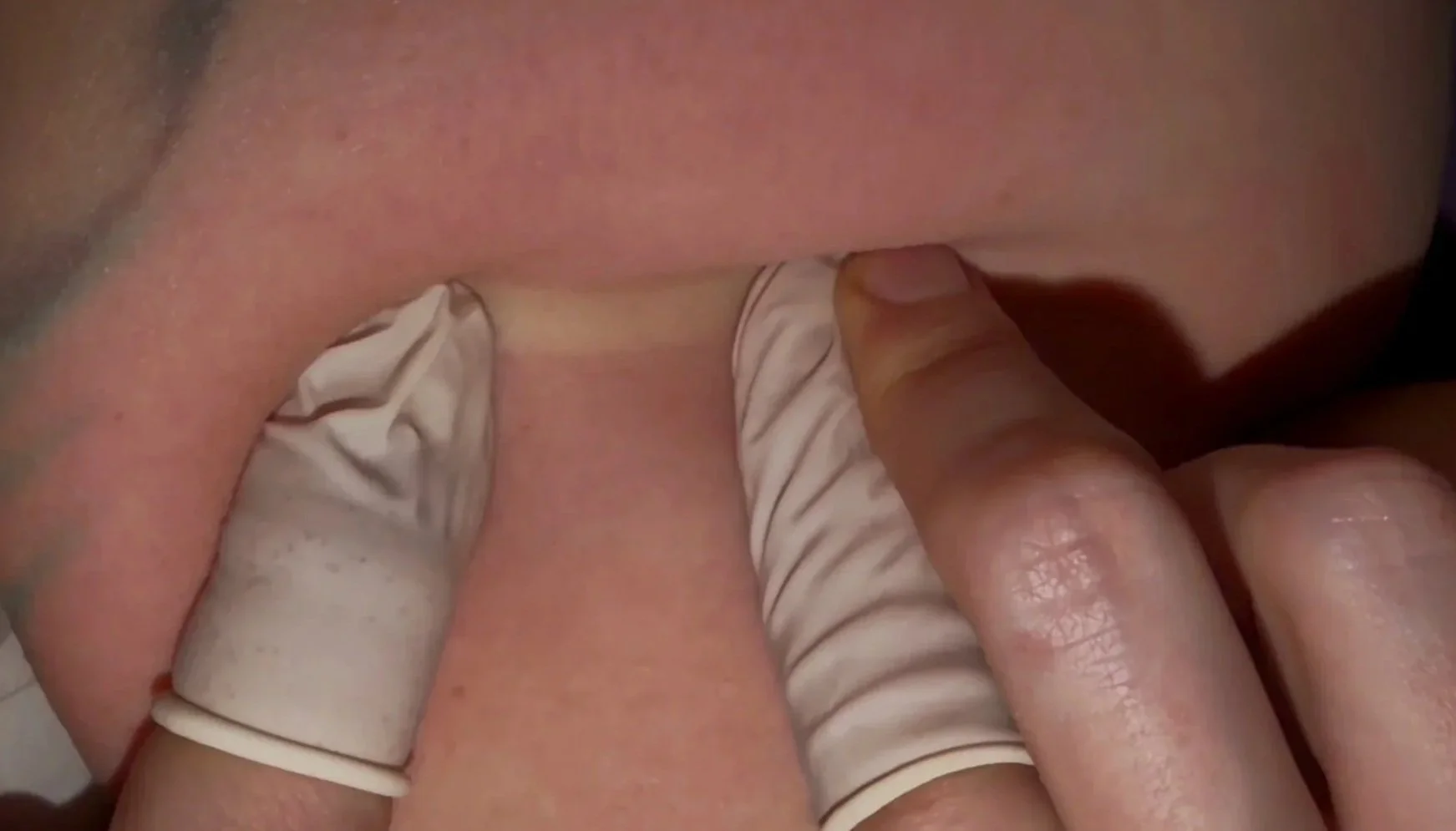
Most bodywork doesn’t do this.
Most approaches press into tissue. This works by restoring how it slides.
If you feel tight, stiff, or in pain, even though you stretch, get massages, or do all the “right” things, there’s a good chance something is being overlooked.
That missing piece might be your skin.
Why the Skin Matters More Than You Think
Most people think of pain and mobility issues as problems in:
muscles
joints
or even deeper fascia
But what’s often overlooked is this:
Your skin and fascia function as one continuous system.
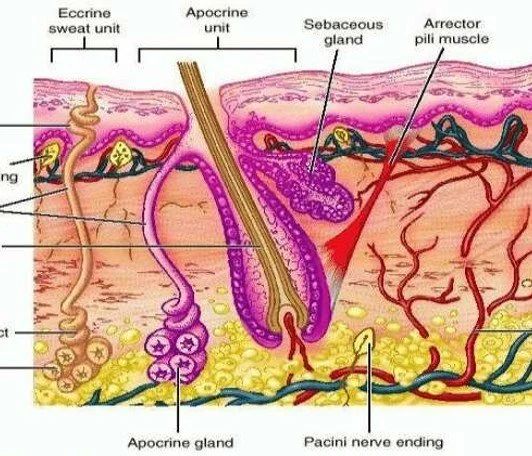
Dermal Layer
The skin and fascia form a layered, interconnected system that directly influences movement and function.
Healthy skin should move freely in multiple directions.
It should glide easily over the layers beneath it.
When that movement is restricted, it doesn’t just stay at the surface.
It can:
limit underlying muscle function
disrupt movement patterns
affect circulation, lymphatic flow, and nerve signaling
and contribute directly to pain
What Actually Goes Wrong
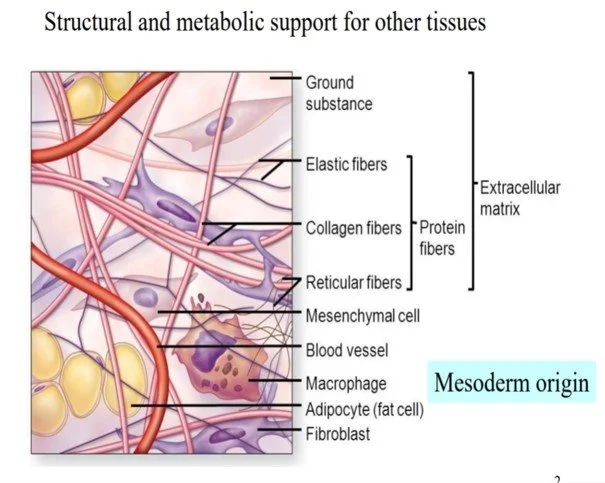
Extracellular Matrix (ECM)
The extracellular matrix is what allows tissues to slide and glide. When it becomes disorganized, movement becomes restricted.
After injury, inflammation, or repetitive stress, the body can develop:
Dermal-fascial adhesions (densifications)
Disorganized collagen fibers
Reduced hydration within the tissue
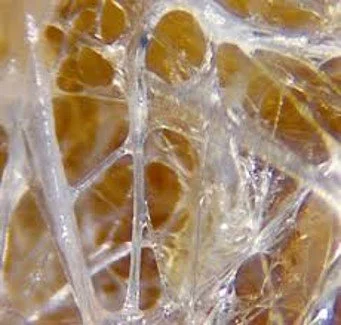
Extracellular Matrix (ECM)
A close up image of a healthy, hydrated ECM, demonstrating the multidirectional nature.
This affects the extracellular matrix (ECM)—the environment that allows tissues to slide and glide.
When this system isn’t functioning well:
layers stop moving independently
tissues become stiff and “stuck”
movement creates strain instead of flow
And importantly—
Many pain receptors live in these superficial layers.
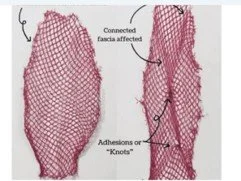
Fascial Adhesion in the ECM
Adhesions can restrict movement and create tension in surrounding tissue.
So when the skin and fascia aren’t moving well, even normal movement can trigger discomfort.
Why Traditional Approaches Don’t Fully Solve It
Techniques like:
massage
foam rolling
scraping
stretching
can feel good and provide temporary relief.
But most of these approaches rely on compression or general force.
Compression:
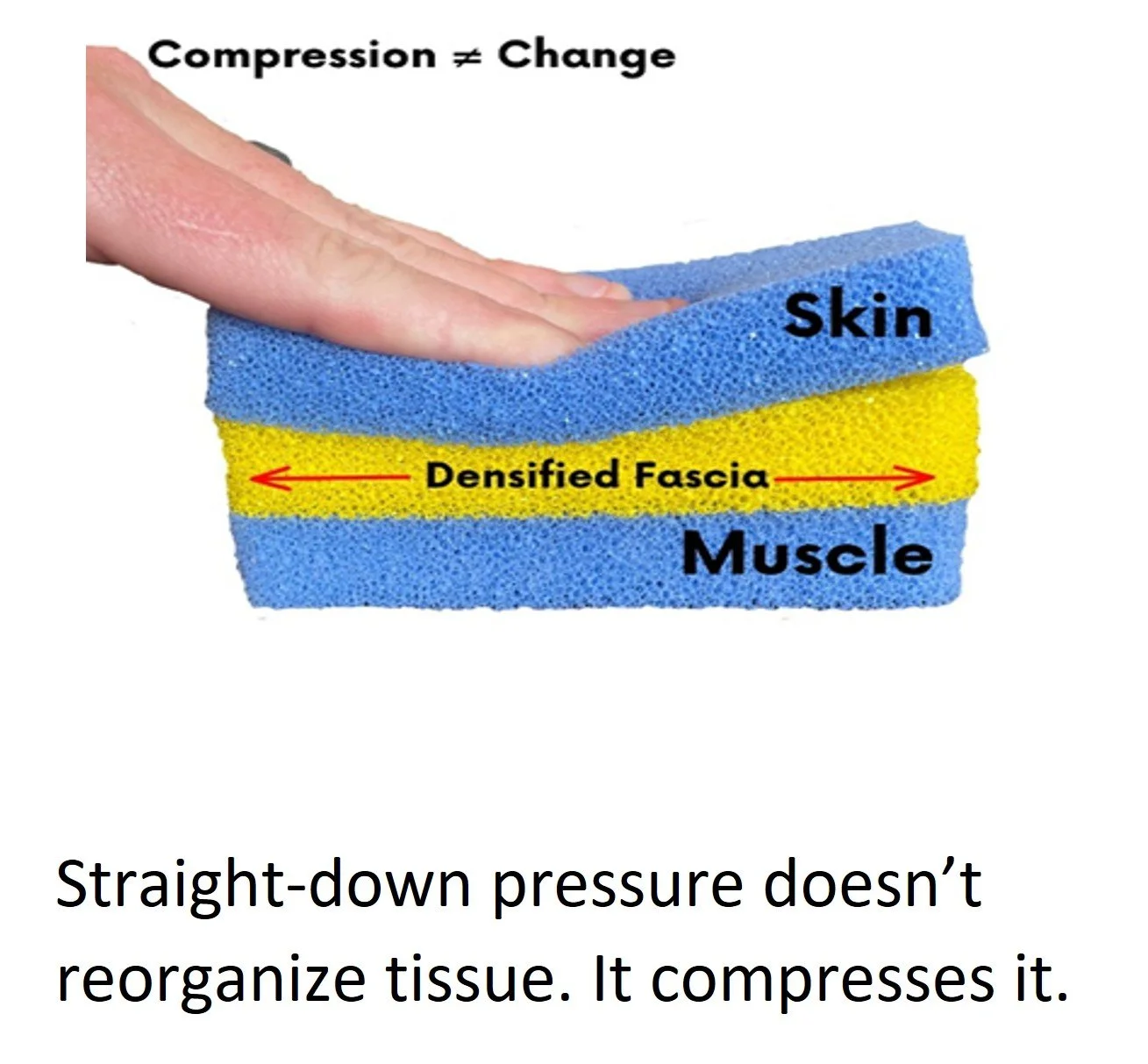
Compression Technique
Straight-down pressure compresses tissue rather than restoring its structure and movement.
pushes tissues together
temporarily changes sensation
but doesn’t reorganize the structure of the tissue
So while things may feel better short-term, the underlying issue often remains.
What Actually Creates Lasting Change
To restore normal movement, the body needs something different:
It needs shear.
Instead of pressing down into tissue, the goal is to create:
precise, bidirectional tension
shearing between layers
This allows tissues to:
slide past each other again
reorganize disorganized collagen
restore hydration and fluid movement
improve communication at the cellular level (mechanotransduction)
This is where Dermal-Fascial Restoration® (DFR)® come in—and where real, lasting change begins by restoring how your tissues actually move. This is exactly what we focus on during sessions at Bodywork Remedies.
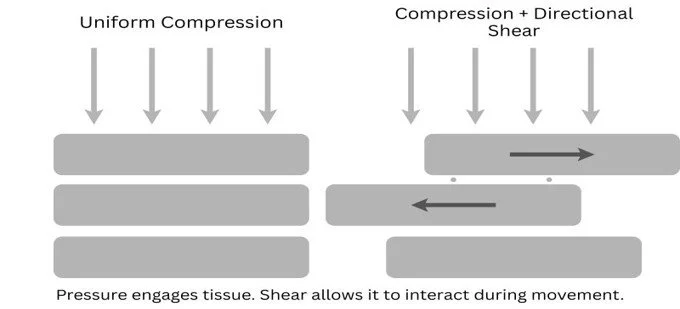
Compression vs. Shearing
Shearing allows tissue layers to slide relative to each other, restoring normal movement and function.
How Dermal Fascial Restoration (DFR) Works
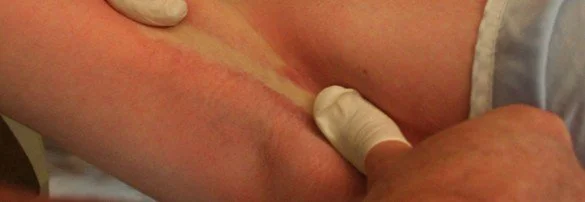
Example of DFR Technique
DFR uses precise, bidirectional tension applied to the skin to create shearing forces within the dermal-fascial system.
Dermal Fascial Restoration (DFR) is a specialized, hands-on technique that works directly with the skin to access deeper layers of the system.
Instead of compressing tissue, DFR:
lifts the skin
applies precise bidirectional stretch
creates shearing forces within the dermal-fascial system
This shearing effect helps:
reduce or reorganize adhesions
restore normal tissue mobility
improve hydration and elasticity
reduce pain
and improve how the body moves as a whole
DFR has been shown through imaging to reduce tissue stiffness and improve mobility without causing additional tissue damage.
Because it works at the level of the skin and fascia, it often impacts areas that other approaches miss.
Why This Matters
When the skin regains its ability to move freely:
Everything underneath it benefits.
Movement becomes:
smoother
less restricted
less painful
And in many cases, people experience changes in areas that weren’t even directly treated.
A Different Way to Think About Pain and Mobility
If you’ve been:
stretching constantly
getting regular bodywork
doing all the right exercises
…but still feel stuck…
It may not be a strength problem.
It may not even be a mobility problem.
It may be that the surface system, the skin and fascia, isn’t moving the way it should.
And until that’s addressed, lasting change can be hard to achieve.
If you’ve tried everything and still feel stuck, this may be the missing piece.
Ready to Experience the Difference?
If you’ve been stretching, getting bodywork, and still feel tight or stuck, this may be the missing piece.
At Bodywork Remedies in Santa Rosa, sessions are designed to assess and treat these deeper restrictions so your body can actually move the way it’s meant to.
